
Diabetic Kidney Disease

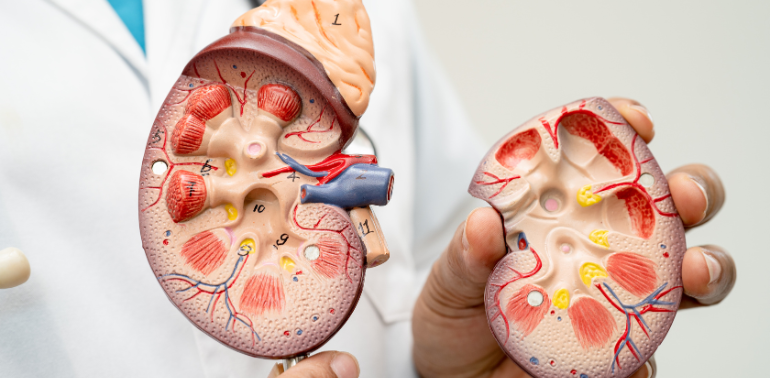
Diabetic Kidney Disease: Managing High Blood Pressure Early
Diabetic Kidney Disease is a condition where high blood sugar levels lead to kidney damage, causing the kidneys to lose their ability to function efficiently. Managing high blood pressure early in diabetic individuals is vital to protecting kidney health and avoiding further complications.
Why Address Diabetic Kidney Disease?
If left untreated, Diabetic Kidney Disease can progress to kidney failure, necessitating dialysis or transplant. Addressing it early allows individuals to stabilize kidney function, manage diabetes effectively, and reduce the risk of long-term complications.
- Tailored diabetes and blood pressure management plans
- Advanced diagnostic and screening tools
- Access to nephrologists and endocrinologists
- Holistic dietary and lifestyle counseling
Frequently Asked Questions
What is Diabetic Kidney Disease?
Diabetic Kidney Disease occurs when high blood sugar damages the small blood vessels in the kidneys, impairing their ability to filter waste effectively.
What are the symptoms of Diabetic Kidney Disease?
Early stages often show no symptoms, but as it progresses, individuals may experience swelling, fatigue, and difficulty concentrating. Regular health check-ups are essential.
How can Diabetic Kidney Disease be managed?
Effective management involves controlling blood sugar levels, maintaining healthy blood pressure, following a kidney-friendly diet, and regular monitoring by healthcare professionals.
Can Diabetic Kidney Disease be reversed?
While complete reversal isn't always possible, early diagnosis and appropriate treatment can slow or stop disease progression and improve quality of life.